What Is the Difference Between Foundation Repair and Basement Waterproofing?

Foundation Repair Murfreesboro TN

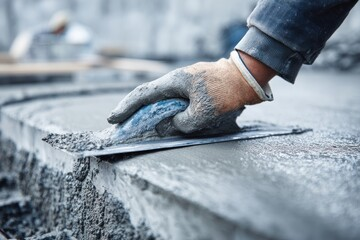
Foundation Repair Murfreesboro TN is a critical step in restoring structural integrity to your home. Structural damage like bowed walls or misaligned doors and windows can result from water intrusion that leads to soil instability and movement.

Basement waterproofing is a solution that prevents moisture from entering the basement. It is important to understand the differences between the two services so you can choose the most effective and cost-effective solution for your home.

Foundation Repair

Foundation repair is necessary to ensure that a home’s structural integrity remains intact. This service addresses structural shifting or instability that could lead to serious problems like leaks and structural collapse. Common signs of foundation issues include visible cracks, bowed walls, and sloping floors.

Waterproofing is a separate service that helps keep water out of a home’s basement or crawl space. This is accomplished by sealing entry points into the structure and redirecting drainage away from the building. Waterproofing methods often include interior drain tile systems, sump pumps, vapor barriers, and crack sealants.

Both services may be needed to address a home’s moisture problems. However, a foundation repair specialist can help homeowners determine whether the need for waterproofing or foundation repairs is most appropriate.

A professional inspection can also provide important clues about a foundation’s condition. The type of foundation your home has is an indicator, as well as any previous damage or repairs. For example, if your home is a slab foundation, then any basement cracks may suggest that the concrete slab has shifted or cracked. In contrast, a crawl space or pier and beam foundation can be damaged by soil movement or water intrusion.

The exact foundation repair process will depend on your home’s specific needs and the cause of the issue. However, a few of the most common options include:

Push piers or helical piers are installed underneath a home’s foundation to lift and stabilize it. This is especially useful for homes with sunken or sinking slab foundations, as it restores their structural integrity. Wall anchors or braces can be used to stabilize bowed or leaning walls, and carbon fiber straps can strengthen the walls of a house without the need for excavation.

Foundation repair and waterproofing are two critical services that help homeowners protect their investment and avoid costly structural damage. Understanding the differences between the two services and when each is necessary is key to maintaining a safe, dry home. By choosing the right solution the first time, homeowners can save money and avoid repeat problems down the road.

Waterproofing

Foundation repair and waterproofing are complementary solutions to common home problems, but they’re not the same thing. Understanding their distinct roles can help you choose the right solution and avoid costly mistakes that lead to recurring damage.

Waterproofing focuses on keeping moisture out of the basement or crawl space, preventing leaks and mold growth. Moisture issues typically arise from rain, groundwater, or poor drainage that pushes water toward the home’s foundation. Interior drain tile systems, sump pumps, vapor barriers, and wall liners can all be used to manage moisture and prevent leaks.

If your basement walls are damp, floors are sloping, or doors and windows stick unexpectedly, these are warning signs that moisture is infiltrating the home’s structural integrity. Foundation repair methods like piering, wall anchors, or slabjacking can stabilize the home and restore its structural stability.

In some cases, waterproofing alone will be enough to fix the problem. But in most cases, foundation repair is needed in addition to waterproofing. This is because water-related issues often lead to cracks, shifting, and settling. Foundation repair addresses these problems by stabilizing the home’s structure and addressing soil instability with techniques like helical bars, piering, and steel bracing.

It’s important to get a professional inspection to determine which solution is best for your home. Waterproofing can only seal cracks, but if your foundation has been compromised by structural movement, it needs to be repaired with a more permanent solution. Ignoring the root cause of your basement problems could result in recurring damage and costly repairs. So be sure to choose the right solution the first time by contacting an experienced foundation specialist. We can perform a detailed inspection to identify whether you need foundation repair or waterproofing, and recommend the most cost-effective solution. Our team is dedicated to helping you protect your most valuable investment. Contact us today for a free quote! Or, visit our website to learn more about our services. We offer a wide range of services, including waterproofing, concrete repair, and more.

Sealing Cracks

Cracks in a foundation are more than just cosmetic problems. They can be a warning that a homeowner is facing structural damage and should seek professional help immediately. In many cases, these warning signs are the result of water infiltration. If not addressed promptly, moisture intrusion can lead to wood rot and mold growth, and even compromise the air quality in a home.

Regardless of whether the cracks are moving or static, they should be sealed to prevent water infiltration. This can be done using a variety of methods. One option is to use a carbon fiber staple, which is inserted into a crack to strengthen it. A similar method is to apply epoxy or polyurethane foams to fill the crack. This can be done using a special tool that injects the material into the cracks, causing them to expand and harden in place.

Waterproofing is a separate process from foundation repair, but these two services often go hand in hand. Unless a foundation has significant structural issues, it’s usually possible to address waterproofing needs before the structure is compromised. Waterproofing is a proactive approach that helps manage moisture levels and protects the basement or crawl space from condensation, humidity, and wood rot. It can also reduce the risk of mold, mildew, radon, and other harmful soil gases from entering the home.

While waterproofing may be necessary, foundation repair is still essential. If a foundation is in serious disrepair, it will likely require replacement before waterproofing can be effectively applied.

Many homeowners confuse the terms foundation repair and waterproofing, and they often try to tackle both at once. This can lead to recurring problems and wasted money. For example, if a foundation is showing signs of movement, it should be repaired before the basement is waterproofed. Otherwise, the cracked walls could continue to shift and lead to structural damage over time. This is why it’s so important to have a foundation expert perform a thorough inspection and recommend the correct solution for each issue. A comprehensive inspection includes evaluating the condition of the foundation and determining how water is entering the home.

Sump Pump Installation

Many homeowners discover basement water problems and immediately think “basement waterproofing.” However, it is important to understand that foundation repair and waterproofing have distinct roles. Waterproofing protects the home’s structure by creating barriers against moisture, while foundation repair restores structural stability to prevent movement and cracking. Addressing both issues in the proper sequence can extend the life of your home and ensure that its value is maintained.

Persistent water intrusion can cause the soil to shift around a foundation, which creates pressure and causes cracking. This damage can be caused by flooding, groundwater, or even soil expansion and contraction – such as clay soil that expands when wet and shrinks when dry. Waterproofing helps to address these problems by preventing the transfer of moisture from the soil to a home’s interior and by creating an effective drainage system.

A sump pump is a crucial component of any basement waterproofing solution. It is most effective when installed in the lowest spot in a basement floor. A certified waterproofing specialist will determine the best spot for a sump by using a laser level. Once the spot is determined, a drain hole is dug. The area is then backfilled with clean gravel to promote good drainage and help the sump pump work efficiently.

The sump pump is then lowered into the hole and connected to a perimeter drain, with a special outlet installed to allow the sump to discharge outside, and away from your home. The sump pit is finished with a lid that can be sealed to prevent moisture and odors from rising out of the pit and children or pets from getting into it.

Once the sump pump is in place, it will be filled with water to test its functionality and to make sure it can drain and pump away the amount of water that is expected. During this process, the installer will inspect the discharge line to ensure it is properly routed away from the house. An antifreeze device, called IceGuard, is sometimes installed to prevent the discharge pipe from freezing and clogging.
The Ultimate Guide to Planning a Home Renovation with a General Contractor

general contractor

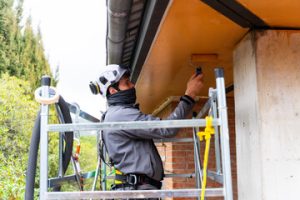
Planning a home renovation is both exciting and overwhelming. Whether you are updating a single room or transforming your entire house, the process requires careful coordination, budgeting, and decision-making. One of the most important choices you can make is hiring a qualified General Contractor Lexington KY to oversee the project.

A general contractor serves as the central point of management, coordinating subcontractors, sourcing materials, ensuring code compliance, and keeping the project on schedule. When approached strategically, working with a general contractor can streamline your renovation, reduce stress, and protect your investment.

A successful home renovation begins with clarity. Before contacting a general contractor, homeowners should define the purpose of the renovation. Are you improving functionality, increasing property value, enhancing aesthetics, or addressing structural concerns? Establishing clear goals provides direction and helps your contractor understand expectations. It also prevents scope creep, which occurs when additional changes are made mid-project without proper planning. Clear objectives allow for accurate estimates, realistic timelines, and measurable outcomes.

Budget planning is another foundational step in any home renovation project. Renovations often cost more than initially expected due to unforeseen conditions, material upgrades, or structural surprises hidden behind walls. To avoid financial strain, homeowners should establish a detailed budget that includes a contingency fund. A common recommendation is allocating an additional 10 to 20 percent of the projected cost for unexpected expenses. Working with a general contractor during the budgeting phase helps ensure that estimates are realistic and aligned with current labor and material costs. Contractors provide insight into where to invest for long-term value and where cost-saving alternatives may be appropriate.

Once your goals and budget are defined, selecting the right general contractor becomes critical. Experience, communication skills, licensing, and references are all important considerations. A reliable contractor should be transparent about timelines, pricing structures, and project management processes. During consultations, ask detailed questions about previous renovation projects, subcontractor coordination, and quality control measures. Strong communication is essential because home renovations require ongoing collaboration. The contractor should be accessible, responsive, and proactive in addressing concerns.

Planning and design development represent the next phase of the renovation process. This stage involves translating your vision into actionable plans. Homeowners typically collaborate with designers, architects, or directly with the general contractor to finalize layouts, materials, finishes, and structural modifications. Detailed planning reduces delays and prevents costly changes once construction begins. During this stage, it is essential to finalize selections for flooring, cabinetry, fixtures, lighting, and paint colors. Late decisions can disrupt schedules and increase labor costs.

Permits and regulatory compliance are often overlooked but are vital components of a renovation project. Structural changes, electrical updates, plumbing modifications, and additions typically require permits. A professional general contractor manages this process, ensuring that all work complies with local building codes and safety regulations. This oversight protects homeowners from potential fines, insurance complications, or issues during future property sales. Compliance also guarantees that renovations meet structural and safety standards, providing peace of mind.

Understanding the renovation timeline is equally important. Every project has phases, and delays can occur due to weather, supply chain disruptions, or unforeseen structural issues. A general contractor develops a structured timeline outlining key milestones such as demolition, framing, electrical work, plumbing installation, inspections, and finishing. Homeowners should expect some flexibility while maintaining open communication about progress. Regular updates and site meetings ensure transparency and keep expectations aligned.

Two critical components significantly influence the success of a home renovation:

  1. Detailed Scope of Work – A clearly defined scope outlines every aspect of the project, including materials, labor responsibilities, timelines, and payment schedules. This document minimizes misunderstandings and serves as a reference point if disputes arise.
  2. Written Contract Agreement – A comprehensive contract protects both the homeowner and the contractor. It should include payment terms, warranty information, change order procedures, and completion expectations. Never proceed without a signed agreement.

During construction, project management becomes the central focus. The general contractor coordinates subcontractors such as electricians, plumbers, carpenters, and painters. Scheduling these professionals efficiently ensures that work progresses smoothly without unnecessary downtime. For example, drywall installation cannot proceed until electrical and plumbing rough-ins are complete and inspected. A skilled contractor sequences tasks strategically to avoid bottlenecks. This coordination is one of the primary advantages of hiring a professional rather than attempting to manage the project independently.

Communication remains a constant priority throughout construction. Homeowners should maintain realistic expectations while staying informed. Scheduled walkthroughs allow you to review progress, address questions, and confirm that work aligns with your vision. If adjustments are necessary, they should be documented through formal change orders that specify cost and timeline impacts. Avoiding verbal agreements prevents confusion and financial disputes later.

Quality control is another essential aspect of renovation planning. A reputable general contractor conducts regular inspections during each phase of construction. This includes verifying structural integrity, ensuring proper installation of systems, and confirming that finishes meet agreed standards. Attention to detail during these stages prevents long-term issues such as water leaks, uneven flooring, or electrical faults. Investing in quality workmanship enhances durability and protects property value.

Material selection also plays a significant role in both aesthetics and longevity. While it may be tempting to prioritize cost savings, low-quality materials can result in higher maintenance expenses over time. Discuss durability, warranty coverage, and maintenance requirements with your contractor. High-traffic areas such as kitchens and bathrooms benefit from resilient materials designed to withstand moisture and wear. Sustainable and energy-efficient materials may also reduce utility costs while increasing resale value.

Another important consideration is living arrangements during the renovation. Depending on the scope of work, homeowners may need temporary accommodations. Major renovations involving structural changes, kitchen remodels, or extensive flooring replacement can disrupt daily routines. Planning for alternative living spaces minimizes stress and allows contractors to work efficiently without obstruction.

Home renovation projects often uncover hidden issues, such as outdated wiring, plumbing leaks, or structural deficiencies. While these discoveries may increase costs, addressing them promptly prevents larger problems in the future. A professional general contractor provides transparent assessments and practical solutions when unexpected challenges arise. Viewing these situations as long-term investments rather than setbacks helps maintain perspective.

Energy efficiency upgrades are increasingly popular in modern renovation projects. Improved insulation, energy-efficient windows, updated HVAC systems, and smart home technology enhance comfort while lowering utility expenses. Discussing these options with your contractor during the planning stage allows for seamless integration. Energy improvements not only reduce environmental impact but also appeal to future buyers.

Throughout the renovation journey, homeowners should focus on maintaining organized documentation. Keep copies of contracts, permits, invoices, warranties, and inspection reports. These records provide valuable reference points for future maintenance or resale purposes. Organized documentation also reinforces accountability and transparency within the renovation process.

As the project nears completion, a final walkthrough ensures that all work meets expectations. This inspection provides an opportunity to identify minor corrections or unfinished details before final payment. Common items reviewed during this stage include paint touch-ups, hardware installation, appliance functionality, and fixture alignment. A punch list outlining remaining tasks helps ensure that the project concludes satisfactorily.

Long-term maintenance planning should not be overlooked after renovation completion. Even high-quality renovations require upkeep. Regular inspections of roofing, plumbing connections, seals, and finishes preserve the integrity of the investment. Many general contractors offer workmanship warranties, so understanding the terms and duration of coverage is essential.

Two additional strategies can significantly improve renovation outcomes:

  1. Establish Realistic Expectations – Renovations are complex. Delays and minor inconveniences are normal. Maintaining flexibility reduces stress and supports productive collaboration.
  2. Prioritize Functionality Over Trends – While design trends evolve, functionality and durability provide lasting value. Choose layouts and materials that support daily living rather than temporary aesthetics.

Ultimately, planning a home renovation with a general contractor is about partnership. Success depends on mutual trust, clear communication, detailed planning, and professional oversight. By investing time in preparation, selecting a qualified contractor, and maintaining realistic expectations, homeowners can transform their spaces efficiently and confidently.

A well-executed renovation enhances comfort, increases property value, and improves long-term livability. From budgeting and design development to construction management and final inspection, each phase requires thoughtful coordination. When guided by an experienced general contractor, the renovation process becomes structured and manageable rather than chaotic.

Home renovation is more than an aesthetic upgrade; it is a strategic investment in your property’s future. With proper planning, transparent communication, and professional expertise, homeowners can achieve results that are not only visually impressive but also structurally sound and financially beneficial. By taking a comprehensive approach and partnering with a skilled general contractor, your renovation can result in a home that reflects your vision and stands strong for years to come.