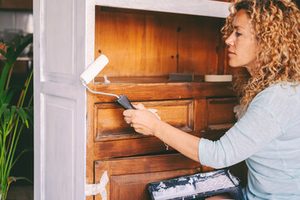
Cabinet Painting Cost Guide to Pricing, Factors, and What to Expect

Cabinet Painting

A fresh coat of paint can completely transform cabinets, turning an outdated kitchen or storage space into something bright, modern, and inviting. What makes this upgrade even more appealing is that it delivers a dramatic visual change without the expense of a full remodel. Still, one of the most common questions homeowners ask before starting is simple. How much does Cabinet Painting Sacramento actually cost?

The answer depends on several factors, including the size of the project, the type of paint used, and the level of preparation required. Understanding these costs helps you plan your budget and decide whether professional painting or a do it yourself approach is the right choice.

Average Cost of Cabinet Painting

Cabinet painting costs can vary widely, but there are clear averages that provide a helpful starting point. Most homeowners spend between $2,500 and $6,500 for a professional cabinet painting project, with a national average of around $4,000. Some estimates place the broader range between $1,200 and $6,000, depending on cabinet size and finish quality.

For larger or more detailed kitchens, costs can increase to $8,000 or more, especially when multiple coats, repairs, or premium finishes are required. These numbers reflect professional services that include preparation, materials, labor, and finishing.

Cost Per Square Foot and Linear Foot

Many professionals calculate cabinet painting costs based on size. This is often done using square footage or linear feet. The average cost per square foot ranges from $4.50 to $10.79, depending on project complexity and conditions. Another common pricing method is by linear foot, with typical rates between $30 and $70 per linear foot.

For example, a medium sized kitchen with 100 to 200 square feet of cabinet surface may cost anywhere from $3,500 to $7,000, depending on materials and labor. This pricing structure helps create more accurate estimates based on the actual size of the project.

Cost Per Cabinet, Door, and Drawer

Some painters break down pricing by individual cabinet components. This is useful for partial updates or smaller projects.

On average, you can expect to pay:

  • Around $70 to $125 per cabinet door
  • About $30 to $110 per drawer
  • Approximately $120 to $190 per cabinet unit

This method is especially helpful when only certain cabinets need repainting rather than the entire kitchen.

Key Factors That Affect Cabinet Painting Cost

Several important factors influence the final price of cabinet painting. Understanding these can help you control costs and make better decisions.

Size of the Kitchen

The number of cabinets is one of the biggest cost drivers. Larger kitchens require more materials and labor, which increases the overall price.

Cabinet Condition

Cabinets that need repairs, sanding, or deep cleaning will cost more to prepare. Damage such as scratches, dents, or grease buildup adds time and effort.

Type of Paint and Finish

High quality paints and specialty finishes cost more but offer better durability. Switching from dark to light colors may also require additional coats, increasing cost.

Labor Costs

Labor typically accounts for the majority of the total cost, often up to 80 to 85 percent of the project.

Design Complexity

Cabinets with detailed designs, grooves, or decorative features take longer to paint and therefore cost more.

Painting Method

Spray painting often produces a smoother finish but may involve higher setup costs compared to brush or roller methods.

These factors combine to create a wide range of pricing depending on the project.

DIY vs Professional Cabinet Painting Cost

One of the biggest decisions when considering cabinet painting is whether to do it yourself or hire a professional.

DIY Cabinet Painting

A do it yourself project typically costs between $200 and $600 for paint and supplies.

While this option saves money, it requires significant time and effort. Proper preparation, sanding, and painting can take several days or even weeks.

Professional Cabinet Painting

Hiring professionals usually costs between $2,500 and $6,500 or more, depending on the scope of the project.

Professional services provide a smoother finish, better durability, and less risk of mistakes. They also save time and ensure consistent results.

Choosing between DIY and professional work depends on budget, skill level, and desired quality.

Additional Costs to Consider

Beyond the base painting cost, there are additional expenses that may affect your budget.

Repairs to damaged cabinets can add between $120 and $600 depending on the extent of the damage.

Upgrading hardware such as handles and hinges can also increase costs, especially if you choose high end materials.

Preparation work, including sanding, priming, and masking, may require additional labor. Complex layouts or tight spaces can further increase costs.

Special finishes, such as high gloss or custom coatings, may also add to the total price.

Understanding these extra costs helps avoid unexpected expenses during the project.

Cabinet Painting vs Replacement Cost

One of the biggest advantages of cabinet painting is how much it saves compared to replacing cabinets.

While cabinet painting typically costs a few thousand dollars, full cabinet replacement can cost $10,000 to $15,000 or more for a complete kitchen upgrade.

Painting allows you to achieve a similar visual transformation at a fraction of the price. It is especially beneficial when cabinets are still structurally sound.

This cost difference is one of the main reasons why cabinet painting remains a popular option for home improvement.

Is Cabinet Painting Worth the Cost

For many homeowners, cabinet painting offers excellent value. It provides a noticeable upgrade without the expense and disruption of a full renovation.

Painting is particularly worthwhile when cabinets are in good condition but look outdated. It allows you to modernize your space quickly and efficiently.

In addition, painted cabinets can improve the overall appearance of a home and may even increase its value. A clean and updated kitchen is often one of the most appealing features in a property.

When done properly, cabinet painting delivers both aesthetic and practical benefits that justify the cost.

Final Thoughts

Cabinet painting cost varies depending on size, materials, and labor, but most homeowners can expect to spend between $2,500 and $6,500 for professional results. Smaller projects or DIY approaches can cost significantly less, while larger or more detailed kitchens may increase the price.

Understanding the different pricing structures, from square footage to per cabinet costs, helps you plan your project with confidence. By considering factors such as cabinet condition, paint quality, and labor, you can make informed decisions that fit your budget.

In the end, cabinet painting remains one of the most cost effective ways to transform a space. With the right approach, it can deliver a fresh, modern look that enhances both the appearance and value of your home.

The Hidden Value of Professional Carpet Cleaning Services: More Than Just a Fresh Look

carpet cleaning

Carpets are often one of the most used yet overlooked elements in any home or workspace. They provide comfort, warmth, and aesthetic appeal, but they also endure daily wear from foot traffic, spills, dust, and allergens. Over time, carpets can become reservoirs for dirt and contaminants that are not always visible to the naked eye. While regular vacuuming helps maintain surface cleanliness, it is rarely enough to preserve the deeper layers of the carpet.

Professional Carpet Cleaning Lehi services offer a more comprehensive solution, targeting embedded dirt, restoring fibers, and improving overall indoor conditions. Rather than focusing solely on appearance, these services address the functional and environmental role carpets play in a space. Understanding their full value requires looking beyond surface-level results and exploring how they contribute to long-term maintenance, health, and comfort.

Carpets as Filters: What They Trap Over Time

Carpets function much like air filters within a home. Their fibers trap dust, pollen, pet dander, and other airborne particles, preventing them from circulating freely in the environment. While this can initially improve air quality, the effectiveness of this function depends on regular cleaning.

As contaminants accumulate, carpets can become saturated, reducing their ability to trap new particles and potentially releasing previously captured debris back into the air. This buildup can also lead to unpleasant odors and a decline in overall cleanliness.

Common substances trapped in carpets include:

  1. Fine dust and dirt particles, which settle deep within the fibers over time.
  2. Allergens and microscopic debris, such as pollen and pet-related contaminants.

Without proper cleaning, these materials can affect both the appearance of the carpet and the quality of the surrounding environment.

Why Routine Vacuuming Isn’t Enough

Vacuuming is an essential part of carpet maintenance, but it primarily addresses surface-level debris. Even high-quality vacuums have limitations when it comes to extracting deeply embedded dirt and contaminants.

Over time, particles become compacted within the carpet fibers and backing, making them difficult to remove with standard equipment. Additionally, spills and stains can penetrate beyond the surface, requiring specialized treatment to fully eliminate.

Professional carpet cleaning services use advanced techniques and equipment designed to reach these deeper layers. This ensures a more thorough clean that cannot be achieved through routine maintenance alone.

The Science Behind Professional Carpet Cleaning

Professional carpet cleaning is not a one-size-fits-all process. It involves a combination of techniques tailored to the type of carpet, level of soiling, and specific needs of the space. Methods such as hot water extraction, low-moisture cleaning, and encapsulation are commonly used to achieve optimal results.

These techniques work by loosening dirt and contaminants, suspending them in cleaning solutions, and then extracting them from the carpet. This process not only removes visible stains but also eliminates hidden debris that can affect the carpet’s performance and longevity.

The use of specialized equipment allows for deeper penetration and more effective removal, ensuring that carpets are thoroughly cleaned and refreshed.

Restoring Appearance and Texture

One of the most immediate benefits of professional carpet cleaning is the restoration of appearance. Over time, carpets can lose their vibrancy due to accumulated dirt and wear. Colors may appear dull, and fibers can become matted or flattened.

Professional cleaning revitalizes these fibers, lifting them and restoring their original texture. This not only improves the look of the carpet but also enhances its feel underfoot, making the space more comfortable and inviting.

A well-maintained carpet can significantly enhance the overall aesthetic of a room, contributing to a cleaner and more polished environment.

Extending the Lifespan of Carpets

Carpets represent a significant investment, and proper maintenance is key to protecting that investment. Dirt and debris can act as abrasive particles, wearing down carpet fibers over time. This gradual damage can lead to thinning, fraying, and premature replacement.

Professional cleaning helps prevent this by removing harmful particles and maintaining the integrity of the fibers. By reducing wear and tear, it extends the lifespan of the carpet, allowing it to perform effectively for a longer period.

Regular professional cleaning is a proactive measure that reduces the need for costly replacements and preserves the value of the carpet.

Improving Indoor Air Quality

Indoor air quality is closely linked to the condition of carpets. As carpets trap airborne particles, they can influence the overall cleanliness of the air within a space. When these particles are not removed, they can contribute to poor air quality and potential health concerns.

Professional carpet cleaning removes these contaminants, reducing their presence in the environment. This leads to cleaner air and a healthier living or working space.

Benefits for air quality include:

  1. Reduction of allergens, which can alleviate symptoms such as sneezing and irritation.
  2. Elimination of trapped pollutants, improving overall air freshness.

These improvements contribute to a more comfortable and health-conscious environment.

Addressing Stains and Odors Effectively

Stains and odors are common challenges in carpet maintenance. Spills, pet accidents, and everyday use can leave behind marks and lingering smells that are difficult to remove with standard cleaning methods.

Professional carpet cleaning services use targeted treatments to break down stains and neutralize odors at their source. This approach ensures that both visible and underlying issues are addressed, resulting in a cleaner and fresher carpet.

Unlike temporary solutions that mask odors, professional cleaning eliminates the root cause, providing long-lasting results.

The Role of Expertise in Carpet Care

Carpets come in a variety of materials, each with its own cleaning requirements. Using the wrong method or product can lead to damage, discoloration, or shrinkage. Professional cleaners are trained to identify different carpet types and apply appropriate techniques.

Their expertise ensures that cleaning is both effective and safe, preserving the quality of the carpet while achieving optimal results. This level of care is particularly important for delicate or high-value carpets.

Professional knowledge also allows for customized cleaning plans, addressing specific needs and challenges within the space.

Frequency of Professional Cleaning

Determining how often to schedule professional carpet cleaning depends on several factors, including foot traffic, presence of pets, and overall usage of the space. High-traffic areas may require more frequent cleaning, while less-used spaces may need it less often.

As a general guideline, professional cleaning is recommended periodically to maintain optimal condition. Regular scheduling helps prevent the buildup of contaminants and ensures that carpets remain in good shape over time.

Consistency is key to achieving long-term benefits and avoiding the need for intensive restoration.

Creating a Healthier and More Comfortable Space

Clean carpets contribute to a healthier and more comfortable environment. By removing dirt, allergens, and odors, professional cleaning enhances both the physical and sensory aspects of a space.

A clean carpet not only looks better but also feels better, creating a more pleasant atmosphere for occupants. This is particularly important in areas where people spend a significant amount of time, such as living rooms and bedrooms.

The overall impact extends beyond cleanliness, influencing comfort, well-being, and quality of life.

A Smart Investment in Home Maintenance

Professional carpet cleaning services are an investment in the long-term maintenance of a home or workspace. While they require an upfront cost, the benefits they provide—extended carpet lifespan, improved air quality, and enhanced appearance—offer significant value over time.

By addressing issues before they become severe, these services help avoid more costly repairs or replacements. They also contribute to a more efficient and effective cleaning routine, reducing the need for frequent deep cleaning efforts.

Viewing carpet cleaning as part of a broader maintenance strategy highlights its importance in preserving the overall condition of a space.

Conclusion

Professional carpet cleaning services go far beyond improving appearance—they play a vital role in maintaining the health, functionality, and longevity of carpets. From removing deep-seated contaminants and restoring fibers to improving indoor air quality and eliminating odors, their benefits are both immediate and long-lasting.

By combining advanced techniques with expert knowledge, professional cleaners deliver results that cannot be achieved through routine maintenance alone. Their ability to address both visible and hidden issues makes them an essential part of comprehensive home care.

Ultimately, investing in professional carpet cleaning is about creating a cleaner, healthier, and more comfortable environment. With regular care and attention, carpets can continue to enhance a space while supporting the well-being of those who use it every day.